Exploratory optical research
OCF-64.
Optical Memory Fabric
OCF-64, the Optical Memory Fabric, is an exploratory research direction examining optical storage in relation to archival integrity and long-term system continuity. It considers the boundary between a physical recording medium and the systems that organize, access, and verify information. Material behavior, access mechanisms, and integration requirements remain subjects for investigation through bounded experiments.
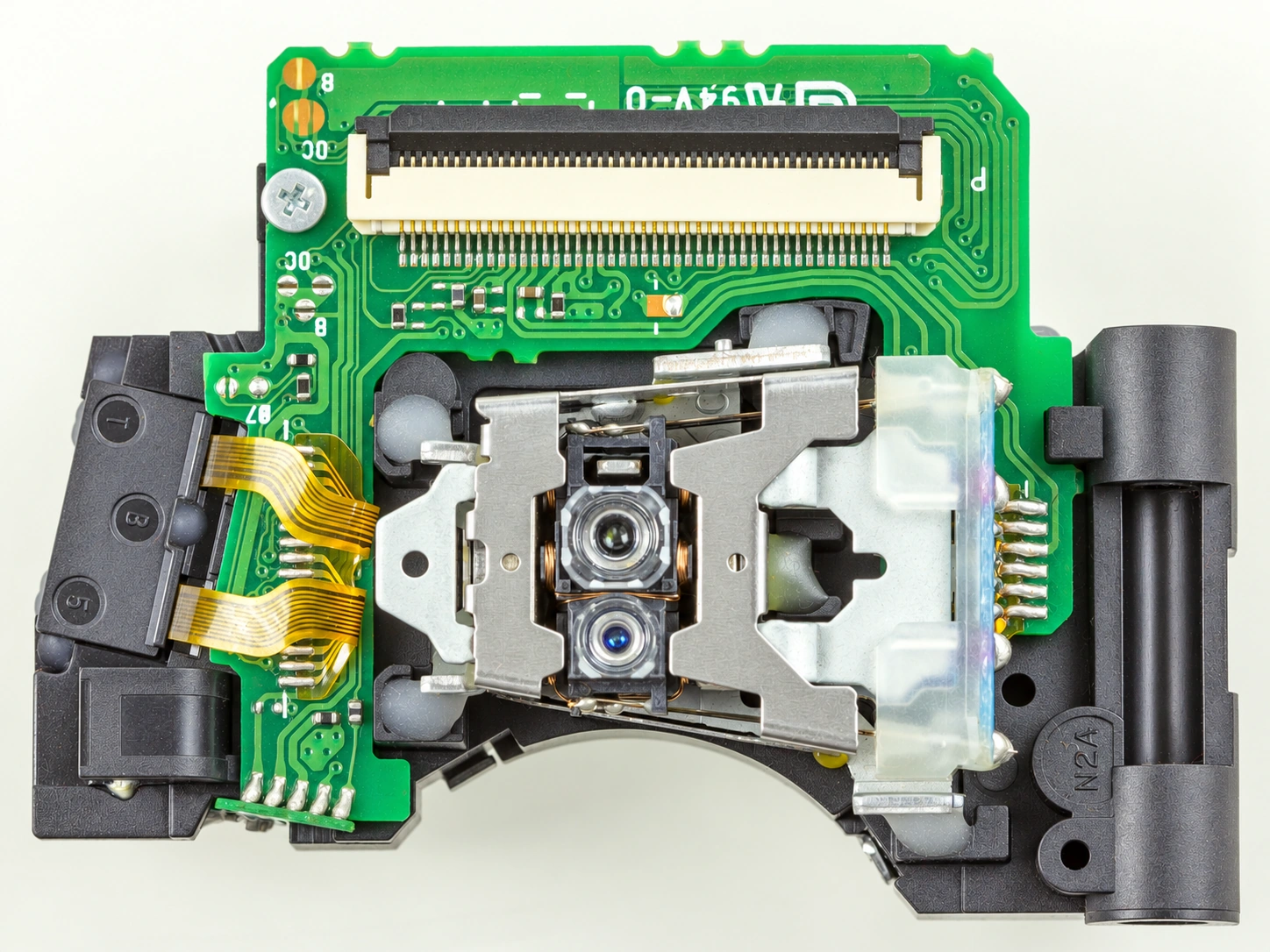
How could optical records remain accessible and verifiable over time?
Durability depends on more than retaining a recorded pattern: a system must also be able to locate, interpret, and check the information it recovers. Research questions include how physical changes could affect readout, what evidence would distinguish a valid record from a damaged one, and how access and recovery requirements should shape the surrounding architecture. Bounded experiments could evaluate these questions while establishing the limits of candidate materials and mechanisms before any broader integration is considered.

Connected research.
Memory Lake addresses the organization and use of persistent context; OCF-64 explores questions about its possible physical storage. Laser-Defined Computing studies optical access and computation, providing a related exploratory direction with a distinct purpose.
Public conceptual overview. Research connections describe areas of study.