Runtime architecture research
General Organ Runtime.
General Organ Runtime studies a common execution architecture for specialized software operating within larger systems. Its focus is the boundary between an intended operation and its observed effect: how work is admitted, how state changes are represented, and how results inform the next action. Lifecycle control, failure handling, and recovery are central research concerns.
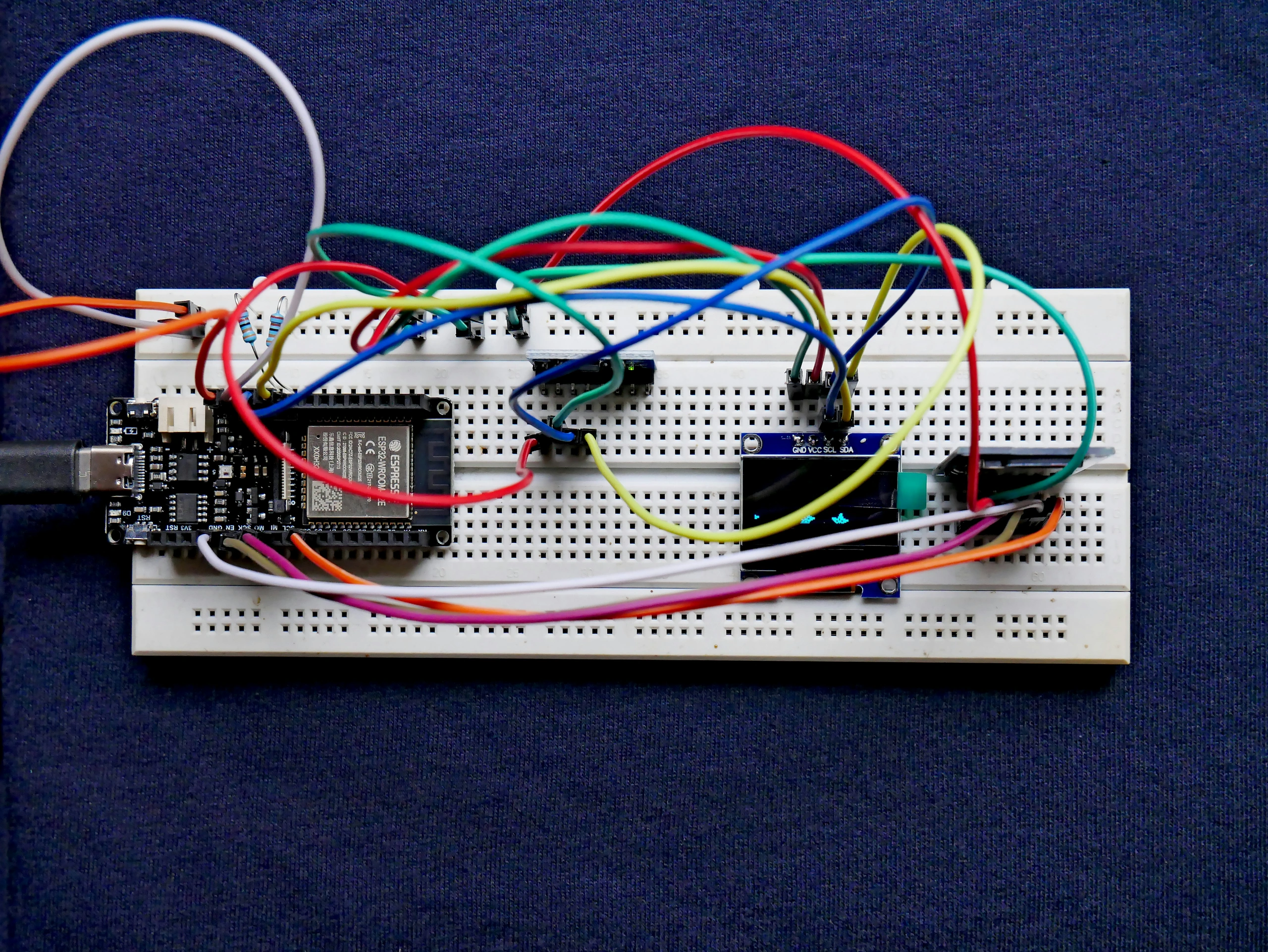
How can execution remain coherent across components, environments, and failures?
The research examines what a runtime must know before an operation begins, while it is in progress, and after it completes or is interrupted. Questions include how components report state, how execution boundaries constrain effects, and how feedback distinguishes completion from partial progress or failure. Linux, Windows, browser, and virtualized environments provide different settings for studying these concerns. Evaluation asks whether work remains observable and recoverable as conditions change, without assuming identical behavior across environments.
Connected research.
General Organ Runtime examines execution interfaces with Cognitive CPU, context continuity with Memory Lake, and communication boundaries with IPAL Link. These connections frame questions about ownership of state, handoff of work, and feedback across environments.
Public conceptual overview. Research connections describe areas of study.